Published July 18, 2026 · Last updated July 18, 2026
How to Use Anxiety to Your Advantage (Instead of Letting It Run You)
If you want to know how to use anxiety to your advantage, start with this: the tight chest before a launch and the buzz before a win are almost the same physical state. The difference is not in your body – it is in the label your brain puts on the signal, and that label is a choice you can train. For men building businesses, careers, or savings with no safety net, this signal shows up constantly, before the pitch, the payroll run, the decision with real money on the line.
This isn’t about suppressing what you feel before something that matters. It’s closer to the control-focused thinking in Dichotomy of Control: The Stoic Habit That Reduces Anxiety and the pressure-tested tactics in Stoicism Under Pressure: 3 Practices That Actually Work, both of which treat anxious arousal as information rather than a malfunction. If you’re also working on what happens after the moment passes, the nightly reset in Stoic Evening Review: Seneca’s Nightly Decision Practice and the baseline habit in Morning Sunlight Cortisol: The 10-Minute Habit pair directly with the tools below.
Table of Contents
- Is Anxiety Actually Good for Performance?
- What’s the Difference Between Anxiety and Excitement in the Body?
- How Do You Find Your Optimal Anxiety Zone?
- How to Reframe Anxiety as Excitement (Step-by-Step)
- What’s the Fastest Way to Calm Anxiety Down?
- What Protects Your Baseline So Anxiety Stays Useful?
- Reappraisal vs. Calming Down: Which Tool for Which Moment?
- Mistakes to Avoid
- When to See a Professional
- FAQ
- How I Know This
Using anxiety to your advantage means treating the sympathetic nervous system’s response to a high-stakes moment as usable energy rather than a warning to shut down. It matters because your body already builds the fuel for hard things – pitches, launches, decisions with money on the line – and shutting it down usually costs more than it protects. This approach is for people facing everyday performance and decision anxiety, not for anyone dealing with a diagnosed anxiety disorder, panic attacks, or symptoms already interfering with daily life.
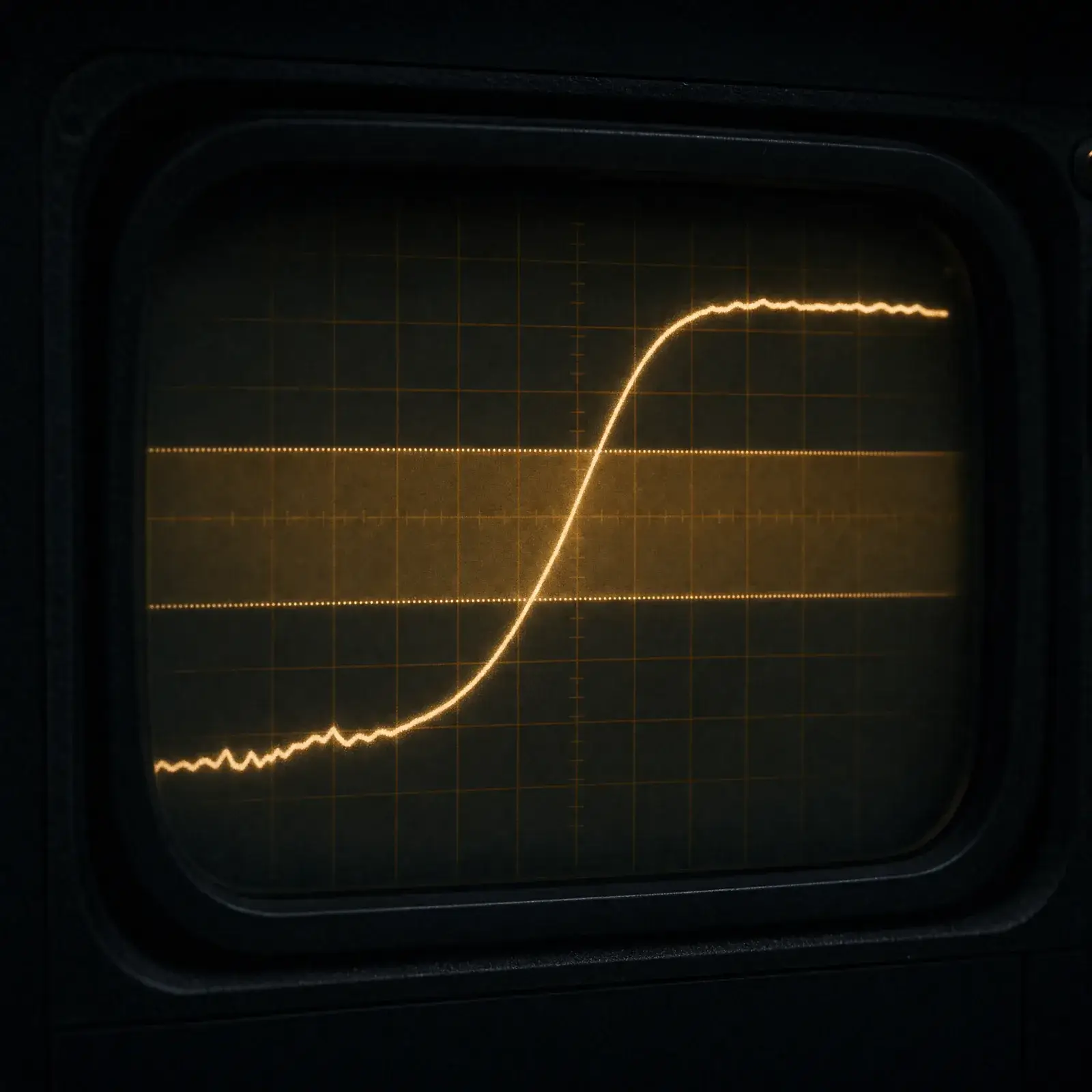
Anxiety and excitement share the same physiological signature – elevated heart rate, cortisol, and alertness – so the fastest way to use anxiety to your advantage is relabeling it as excitement instead of forcing yourself calm. Research from Harvard’s Alison Wood Brooks found people who said “I am excited” before a high-stakes task performed measurably better than those told to calm down.
Quick Takeaways
- Anxiety and excitement are nearly the same body state, different label.
- Saying “I’m excited” beats forcing yourself to calm down.
- The goal is the right amount of arousal, not zero.
- The physiological sigh cuts real-time anxiety fastest, in about 30 seconds.
- Bad sleep and habitual caffeine both amplify anxious reactivity.
- Persistent, disproportionate anxiety needs a professional, not a productivity hack.
This article covers everyday performance and decision anxiety – the kind tied to a specific stressor like a pitch, a launch, or a hard call. It is educational, not medical or mental health advice, and it is not a substitute for diagnosis or treatment.
If you experience panic attacks, anxiety that persists most days for weeks, or symptoms that interfere with sleep, work, or relationships, see a licensed therapist or physician instead of relying on the tools in this piece.
Is Anxiety Actually Good for Performance? The Science of Using Anxiety to Your Advantage
Yes – anxiety and excitement are nearly identical physiological states, and how you use anxiety to your advantage depends almost entirely on which label you assign to that arousal. Harvard Business School researcher Alison Wood Brooks tested this directly across public speaking, karaoke, and math-under-pressure tasks.
Participants told to say “I am excited” out loud before performing were rated more persuasive, confident, and competent than those told to say “I am calm” or given no instruction at all, and they objectively outperformed both groups, according to Brooks’s 2014 study in the Journal of Experimental Psychology: General. The result held across three completely different skills, which suggests the effect is about the reframe itself, not the task.
Why “Get Excited” Beats “Calm Down”
Reappraising anxious energy as excitement is an easier mental move than talking yourself into calm, and the reason is physiological. “I’m excited” only asks you to relabel the valence of a state you’re already in – arousal stays high, you just call it something else. “Calm down” asks your body to drop from high arousal to low arousal and change the label at the same time, which is a much heavier lift.
That’s why forcing calm before a big moment so often backfires – you end up fighting your own physiology instead of working with it. The reframe costs nothing to test, and you can run the experiment yourself the next time your chest tightens before something that matters.
What’s the Difference Between Anxiety and Excitement in the Body?
There isn’t much of one. Both states involve elevated heart rate, a cortisol spike, and heightened alertness – what researchers call arousal-congruent states, meaning the body’s response is the same whether you interpret it as a threat or an opportunity. The split happens in the brain’s read of the situation, not in the chest or the hands.
The Signal Is Information, Not a Verdict
Anxiety before a pitch, a launch, or a decision with real money on the line is your nervous system telling you the stakes are real and the outcome is uncertain. That’s not a malfunction – it’s accurate. The skill worth building is reading anxiety as a signal that says “this matters, get ready” instead of “something is wrong, retreat.”
How Do You Find Your Optimal Anxiety Zone?
You find it by tracking task complexity, not by chasing zero anxiety. Performance rises with arousal up to a point, then falls if arousal climbs too high – a relationship first mapped by psychologists Robert Yerkes and John Dodson in 1908 and still the foundational model in arousal-performance research. Using anxiety to your advantage isn’t about eliminating it – it’s about calibrating it to the task in front of you.
Why the Zone of Optimal Functioning Shifts by Task
The optimal arousal point isn’t fixed – it moves depending on what you’re doing. Complex or unfamiliar tasks, like a negotiation you’ve never run before, need lower arousal to stay sharp; simple or well-rehearsed tasks, like a pitch you’ve delivered fifty times, can absorb much higher arousal without falling apart.
This is why the same pre-meeting nerves can sharpen a routine client call and wreck a first-time investor pitch. Match your expectation of your own nervous system to what the task actually demands, not to some fixed idea of how calm you “should” feel.
Source: Yerkes & Dodson (1908), Journal of Comparative Neurology and Psychology
How to Reframe Anxiety as Excitement (Step-by-Step)
Reframing anxiety as excitement takes one sentence spoken out loud, right before the moment that’s making you anxious. Here’s the sequence that Brooks’s research and the classroom findings below both support.
- Step 1 – Name the arousal without judging it. Notice the racing heart, the tight chest, the alertness, and just note it as “I’m activated,” not “I’m broken.”
- Step 2 – Say “I am excited” out loud, or as close to out loud as the room allows. Brooks’s participants who said this before public speaking, karaoke, and math tasks outperformed those who said “I am calm.”
- Step 3 – Reframe the stakes as a challenge, not a threat. University of Rochester researcher Jeremy Jamieson trained community college students to interpret exam-day stress as their body preparing them, not breaking down, and they scored higher than students told to ignore their stress.
- Step 4 – Check the zone. If the arousal feels sharp and usable, proceed; if it’s tipping into shaking hands or a blank mind, use the physiological sigh below before you start.
- Step 5 – Act while the arousal is still fresh. Reappraisal works best in the minute or two before the moment, not after you’ve had time to spiral back into threat-mode thinking.
What This Looks Like Before a Real Pitch
Say you’re two minutes from walking into an investor meeting and your hands are half-steady. Say “I’m excited” instead of taking three deep breaths trying to calm down, and mentally reframe the meeting as a test you get to take, not a threat you have to survive. That single relabel is most of the mechanism – no special breathing, no meditation app, no forty minutes of preparation.
What’s the Fastest Way to Calm Anxiety Down When It’s Too Much?
The fastest tool is the physiological sigh – two quick inhales through the nose followed by one long exhale through the mouth. It produced the fastest measured real-time drop in physiological arousal of any breathing pattern tested, outperforming box breathing, cyclic hyperventilation, and mindfulness meditation, according to a month-long randomized trial by Stanford researchers Melis Yilmaz Balban and Andrew Huberman published in Cell Reports Medicine in 2023.
When to Use It Instead of Reappraisal
Reappraisal works when arousal is high but still usable – sharp, focused, a little jittery. The physiological sigh is for when arousal has overshot the zone entirely: shaking hands, a mind that’s gone blank, a heart rate that feels out of control. Use the sigh first to bring arousal back into a workable range, then reappraise from there if you still need the edge.
The same Stanford trial found a daily 5-minute cyclic sighing practice did more for next-day mood over 28 days than a mindfulness meditation control – a 1.91-point average daily mood increase versus 1.22 for meditation – while also lowering resting respiratory rate. That’s a baseline-lowering habit, not just an in-the-moment fix, worth doing even on days nothing stressful is happening.
Source: Balban et al. (2023), Cell Reports Medicine
What Protects Your Baseline So Anxiety Stays Useful?
Two everyday habits determine whether your baseline anxiety stays in the productive zone or tips into overload: sleep and caffeine. Get either wrong consistently, and the same pitch that used to sharpen you starts to wreck you.
Sleep Debt Turns the Volume Up
A single night of sleep deprivation increases amygdala reactivity to negative stimuli by roughly 60% and weakens the connection between the prefrontal cortex and the amygdala – the exact circuit that normally keeps emotional reactivity in check, per a 2007 study by sleep researcher Yoo and colleagues in Current Biology. That means the same stressor hits harder while your ability to regulate the response is compromised at the same time.
Building on no sleep is not the discipline flex it’s often sold as – it’s removing your own brakes right when you need them most. If sleep is where your anxiety management keeps breaking down, the levers in Sleep and Recovery for Men: Levers That Move Testosterone are worth working through before adding any other tool from this list.
Caffeine Raises the Ceiling on Your Stress Response
Habitual caffeine use is linked to a bigger cortisol spike under psychosocial stress compared to non-habitual users, according to a 2024 study by Cole, Grillo, and Vrshek-Schallhorn in Psychosomatic Medicine. That means the coffee meant to sharpen you before a hard day can also push already-high arousal past the productive zone and into the Yerkes-Dodson decline.
This doesn’t mean cutting caffeine – it means timing it deliberately instead of using it to paper over a bad night’s sleep. The specifics of how to do that without wrecking your sleep in return are covered in Caffeine Timing: How to Drink Coffee Without Bad Sleep.
Reappraisal vs. Calming Down: Which Tool for Which Moment?
These aren’t competing techniques – they’re tools for different situations. Using anxiety to your advantage means knowing which one the moment calls for.
Verbal Reappraisal (“I’m Excited”)
- Best For: Arousal that’s high but still usable – pre-pitch nerves, pre-meeting jitters
- Time Required: One sentence, spoken right before the moment
- Mechanism: Relabels the same arousal from threat to opportunity
- Evidence: Brooks (2014) – outperformed “calm down” across three task types
- Limit: Doesn’t lower arousal that has already overshot the zone
Physiological Sigh
- Best For: Arousal that has overshot – shaking hands, blank mind, racing heart
- Time Required: About 30 seconds, in the moment
- Mechanism: Two nasal inhales, one long exhale – fastest measured real-time arousal drop
- Evidence: Balban et al. (2023), Cell Reports Medicine
- Limit: A rescue tool, not a long-term baseline fix
Daily Cyclic Sighing Practice
- Best For: Lowering baseline reactivity over weeks, not a single moment
- Time Required: 5 minutes a day
- Mechanism: Repeated extended-exhale breathing, lowers resting respiratory rate
- Evidence: Balban et al. (2023) – beat mindfulness meditation on 28-day mood improvement
- Limit: Won’t help in the 30 seconds before you walk on stage

Mistakes to Avoid
Most people trying to use anxiety to their advantage make one of the following mistakes, and each one is fixable once you see it.
- Trying to force calm before a high-stakes moment. This asks your body for a full physiological reversal instead of a simple relabel, and it usually fails right when you need it to work.
- Treating all anxiety as the same problem. Pre-pitch nerves and a diagnosable anxiety disorder are not the same thing, and using a reframe on the wrong one wastes time you don’t have.
- Leaning on caffeine to override exhaustion. Habitual caffeine use raises your cortisol spike under stress, which can push already-high arousal past the productive zone instead of sharpening it.
- Skipping sleep before something that matters. One bad night measurably increases amygdala reactivity and weakens your own regulation circuit at the exact moment you need it most.
- Ignoring red flags because “channeling it” felt like the disciplined move. If anxiety is showing up independent of any specific stressor, that’s a different problem, and no amount of reframing fixes it.
When to See a Professional
Everyday functional anxiety fades once the stressor resolves or you act on it. If yours doesn’t, or if it’s showing up independent of any specific trigger, that’s the line between something you can channel and something that needs professional care.
- Panic attacks – sudden, intense fear with physical symptoms (chest pain, palpitations, shortness of breath, dizziness) that come on without an obvious trigger.
- Anxiety that persists most days for weeks or months, whether or not the original stressor is still present.
- Anxiety that’s interfering with sleep, work performance, or relationships – not just discomfort, but real impairment.
- Physical symptoms with no clear trigger (racing heart, GI issues, chronic muscle tension) that don’t resolve with rest, exercise, or the tools above.
- Avoidance – structuring your life around dodging situations that trigger anxiety, instead of using the anxiety as a signal to act.
None of this makes you weak or broken. Generalized anxiety disorder affects an estimated 2.7% of U.S. adults in a given year, and among those cases, roughly a third involve serious functional impairment, according to the National Institute of Mental Health – it’s common and treatable, not a personal failure.
If this sounds like your day-to-day rather than your big-moment moments, the National Institute of Mental Health’s guide on panic disorder is a legitimate first stop before or alongside talking to a licensed therapist or physician.
Frequently Asked Questions
Is anxiety actually good for performance?
Yes, within a range. Anxiety and excitement are nearly the same physiological state, and Harvard’s Alison Wood Brooks found reframing anxious arousal as excitement improves performance rather than hurting it. The catch is calibration – too much arousal still tanks performance, per the Yerkes-Dodson model.
What is the difference between anxiety and excitement in the body?
Almost nothing at the physical level. Both involve elevated heart rate, cortisol, and alertness – what researchers call arousal-congruent states. The real difference is the label your brain assigns: threat versus opportunity.
How do I know if my anxiety is normal or a disorder?
Everyday functional anxiety is tied to a specific stressor and fades once it resolves or you act on it. If your anxiety persists for weeks independent of a trigger, causes panic attacks, or interferes with daily functioning, it may be a diagnosable condition. See a licensed professional rather than trying to self-manage it with reframing tools.
What is the fastest way to calm anxiety in the moment?
The physiological sigh – two quick inhales through the nose, one long exhale through the mouth. It produced the fastest measured real-time reduction in physiological arousal of any technique tested in a 2023 Stanford trial published in Cell Reports Medicine. It takes about 30 seconds.
Does caffeine make anxiety worse?
It can, if you’re a habitual user. A 2024 study in Psychosomatic Medicine found habitual caffeine consumption is linked to a bigger cortisol spike under stress, which can push already-anxious arousal past the productive zone. Timing your intake deliberately, rather than using it to mask poor sleep, keeps this in check.
Can lack of sleep cause anxiety?
Not cause it outright, but it amplifies it significantly. One night of sleep deprivation increases amygdala reactivity to negative stimuli by roughly 60% and weakens the prefrontal circuit that normally keeps emotional reactivity in check, according to a 2007 Current Biology study. Protecting sleep is one of the highest-leverage ways to keep anxiety in the useful range.
What is the Yerkes-Dodson law?
It’s the foundational model showing performance rises with arousal up to a point, then falls if arousal climbs too high. Psychologists Robert Yerkes and John Dodson first mapped this relationship in 1908. The goal isn’t zero anxiety – it’s finding the right amount for the task in front of you.
Should I try to calm down or get excited before a big presentation?
Get excited, in most cases. Brooks’s research found people who said “I am excited” before public speaking outperformed those who said “I am calm” or said nothing at all. Save the calming techniques, like the physiological sigh, for when arousal has already overshot into shaking hands or a blank mind.
Does this mean anxiety is a superpower?
No – it means anxiety is usable energy with a ceiling. Past a certain point, more arousal still hurts performance, so the framework is about calibration, not treating anxiety as an unlimited advantage. Anxiety that persists without a specific stressor is a different problem entirely, covered in the red-flag section above.
How I Know This
I didn’t learn to work with anxiety in a classroom. I learned it building things with no safety net – immigrating with very little, then spending years in digital marketing before helping launch and manage an açaí shop and a furniture business, neither of which came with a backup plan if things went wrong.
That kind of pressure doesn’t announce itself as one dramatic moment. It’s a low hum – the tight chest before a hard conversation with a business partner, the late-night math on whether payroll clears, the nervous energy before pitching an idea nobody has said yes to yet.
For a long time, I treated that hum as something to push through or shut down. What actually worked was closer to what the research says now: naming the arousal, learning how to use anxiety to your advantage as fuel for the specific thing in front of me, and saving the calming tools for when it tipped past useful.
I’m not a therapist and this isn’t clinical advice. It’s the operating framework I actually use for everyday pressure – the kind that comes with building something from nothing, not the kind that needs a professional’s help.
The Real Advantage Isn’t Feeling Nothing
Break The Ordinary isn’t about eliminating pressure – it’s about building the systems that let you use it instead of being used by it. Learning how to use anxiety to your advantage is one of those systems: a small, repeatable relabel that turns a signal you’d otherwise fight into energy for the thing you’re actually trying to build.
That’s the difference between drifting through a hard season and building through one. The tools here – the reframe, the sigh, the sleep and caffeine levers – won’t make the stakes lower. They’ll make you sharper for them.
If the pressure you’re channeling is coming from a business or career decision specifically, the control-focused framework in Dichotomy of Control: The Stoic Habit That Reduces Anxiety is a natural next read.
Randal | Break The Ordinary
I’m Randal, the founder of Break The Ordinary – a multi-niche media brand covering business, tech, health, and finance for people who want to build wealth, freedom, and a life worth living. I’ve built and managed businesses with no financial safety net, and channeling constant low-grade anxiety into usable energy is a skill I built out of necessity, not theory. I share what actually works, what doesn’t, and what most people get wrong – my approach is direct, research-backed, and built on real experience, not theory.