Published: May 18, 2026 | Last Updated: May 18, 2026
Warren Buffett Is Gone. Greg Abel’s Portfolio 2026 Just Made the Most Aggressive Berkshire Move in Years.
Disclaimer: This article is for informational purposes only and does not constitute financial advice. Always consult a qualified financial advisor before making investment decisions.
Berkshire Hathaway’s Q1 2026 13F filing landed on May 15, 2026 — and it is the clearest look yet at how Greg Abel portfolio 2026 decisions differ from anything Buffett did in the last decade. In one quarter, Abel tripled the Alphabet stake to $16.6 billion, opened a $2.65 billion position in Delta Air Lines, and closed out 16 positions entirely. For anyone building their first portfolio or trying to understand how disciplined capital allocation actually works, this filing is a live case study worth reading carefully.
If you are working through the fundamentals, our guides on how to build an investment portfolio and why most people never build wealth give the foundation this article builds on. And if Berkshire’s $397 billion cash reserve — mostly parked in Treasury Bills — catches your eye, our Treasury bonds explainer is worth your time before reading further.
What is a 13F filing? A 13F is a quarterly portfolio disclosure required by the SEC for institutional investment managers controlling over $100 million in assets. It shows which stocks they held at the end of the quarter. For Berkshire Hathaway, the Q1 2026 13F represents Greg Abel’s first full quarter of independent portfolio decisions as CEO — effective January 1, 2026.
Greg Abel portfolio 2026 – quick answer: In Q1 2026, Abel tripled Berkshire’s Alphabet stake from $5.6B to $16.6B, opened a new $2.65B Delta Air Lines position, and exited 16 holdings. The portfolio shrank from $274B across 40 positions to $263B across 29.
Quick Takeaways
- Abel tripled the Alphabet stake to $16.6B in a single quarter.
- The new Delta position ($2.65B) reverses Buffett’s 2020 airline exit.
- Most of the selling was administrative – not a bearish macro call.
- Berkshire’s $397.4B cash reserve is the highest in its history.
- Abel deployed roughly 0.75% of available capital in Q1 2026.
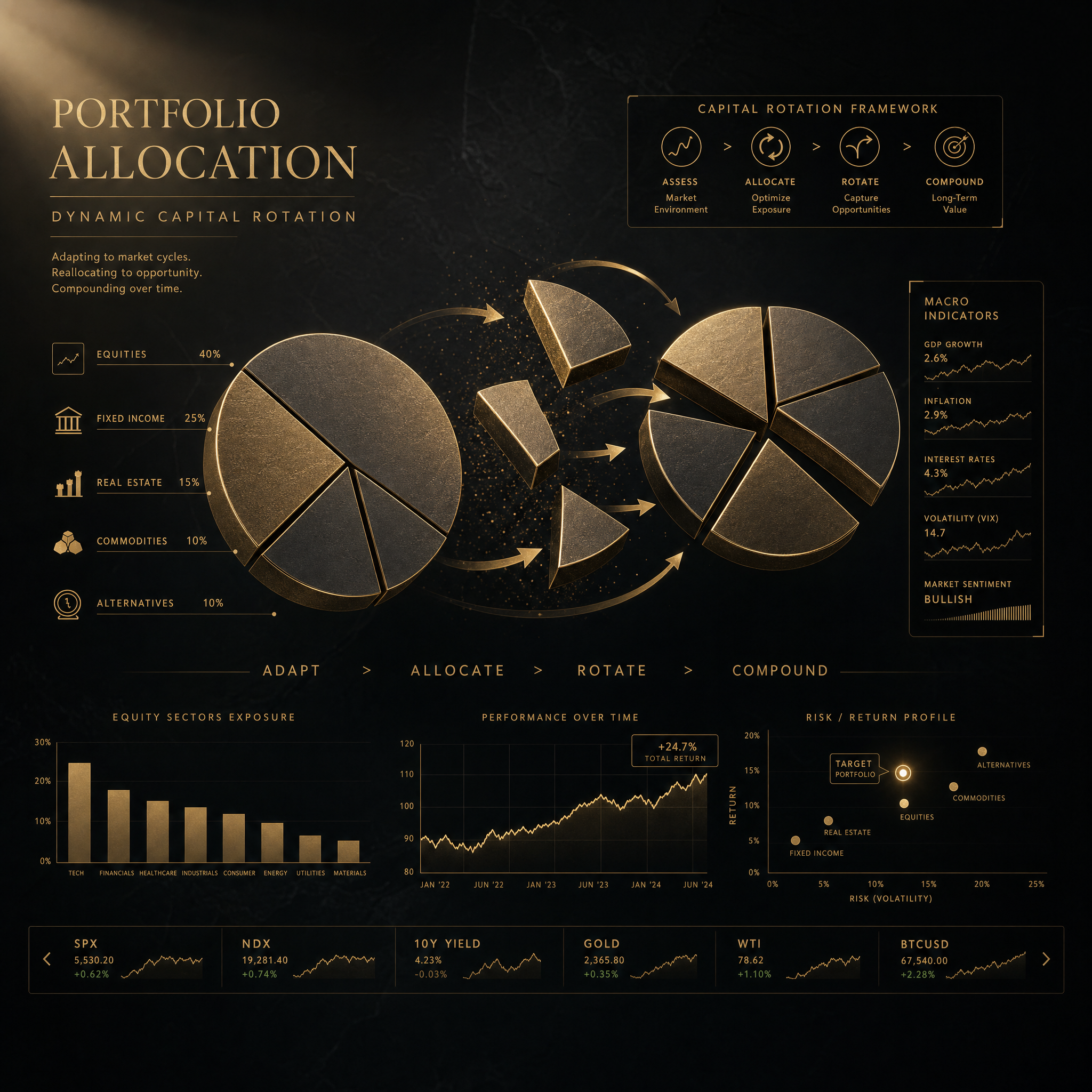
What Greg Abel’s Portfolio 2026 13F Actually Shows
Clear the noise first: the Combs factor
The headline “Berkshire exits Amazon, Visa, Mastercard, Domino’s” sounds like a sweeping bearish call. In practice, most of those exits were administrative. Todd Combs – one of two investment managers Buffett brought on to help run the equity book – left Berkshire in December 2025 to join JPMorgan Chase. The positions he managed were unwound in Q1. That is not Abel making a bearish bet on fintech or consumer spending; it is a reorganization after a key manager departed.
According to Morningstar’s 13F analysis, those exits were “largely his book, not a bearish macro call.” Berkshire still holds Bank of America as a top-five position. Once you strip out the Combs exits, Abel’s deliberate moves come into sharp focus: the Alphabet triple-down and the Delta new position. Those are the two decisions that reveal how he thinks.
The Two Real Bets: Alphabet and Delta
Greg Abel portfolio 2026: why Alphabet got tripled
Disclosure: This article contains an affiliate link. If you purchase through this link, BTO earns a small commission at no extra cost to you.
Berkshire held 17.8 million Alphabet shares worth $5.6B at the end of 2025. By end of Q1 2026, that had grown to 57.9 million shares worth approximately $16.6B – a 225% increase in a single quarter, according to Fortune’s primary reporting. Alphabet is now Berkshire’s 7th largest holding.
The underlying logic is not complicated: Google Cloud posted $20 billion in revenue in Q1 2026, up 63% year-over-year, with GenAI product revenue growing roughly 800% YoY according to Alphabet’s Q1 2026 SEC filing. Google still commands approximately 90% of global search traffic.
Abel said at the 2026 annual meeting in Omaha: “We’re going to be a builder of technology, rather than just a buyer of technology.” This is Buffett’s value framework applied to 2026. Buffett backed Apple because customers were emotionally locked in.
Abel is backing Alphabet because enterprises are structurally locked into Google Cloud’s AI infrastructure. The method is identical – find durable competitive advantages and concentrate capital into them. That framework traces directly to Benjamin Graham – in The Intelligent Investor, Graham defined the line between investment and speculation that Berkshire has applied for six decades.
Why Delta, and why now
Berkshire opened a $2.65 billion Delta Air Lines position – approximately 39.8 million shares representing a 6.1% ownership stake. This is Berkshire’s first airline investment since Buffett dumped all four major U.S. carriers in April 2020 at a loss and described the decision as a mistake. The reversal is deliberate.
Delta is not a bet on the airline sector; it is a bet on premium-tier margin expansion at a specific carrier. Delta’s Q1 2026 results show why: premium travel revenue rose 14% year-over-year while main-cabin revenue fell 7%. Delta is intentionally moving away from volume and toward high-margin seats.
The company forecast 20% EPS growth for 2026 and $3 – $4 billion in free cash flow. Abel is making a quality call on a company executing a disciplined strategy – exactly the kind of business Berkshire has always valued, regardless of sector.
What Patient Capital Actually Signals
Berkshire’s cash reserve hit a record $397.4 billion in Q1 2026 – $58 billion in cash and $339 billion in Treasury Bills. Abel deployed roughly $3 billion between Delta and the Alphabet expansion. That is 0.75% of available capital.
For context, Berkshire did not rush in because the market was moving. Abel moved when he had a clear thesis on specific businesses with durable advantages. That is the model.
For someone building their first portfolio, the temptation after reading a 13F is to copy the trade. That impulse is almost always wrong. The 13F is 45 days old by the time it is public.
Berkshire’s position size, cost basis, and time horizon are not yours. The value in reading this filing is not a shopping list – it is a lens on how to think.
Patient capital waits. It concentrates when conviction is high. It is not moved by quarterly noise.
Frequently Asked Questions
Should I buy what Berkshire buys?
No – not as a direct copy. The 13F is 45 days old when published, and Berkshire’s entry price, position size, and holding period are different from a retail investor’s reality. Use it as a framework for understanding where disciplined capital sees durable value, not as a trade signal.
Does selling Visa and Mastercard mean Berkshire is bearish on financials?
No. Those exits were driven primarily by the departure of Todd Combs, who managed those positions. Berkshire still holds Bank of America as a top-five position. The Combs exit is the context missing from most coverage of this filing.
What is a 13F filing and when is it published?
A 13F is a quarterly SEC-required disclosure for institutional managers holding over $100 million in U.S. equities. It must be filed within 45 days of the end of each quarter. The Q1 2026 13F covering January through March was filed on May 15, 2026.
Is the Delta buy a signal that airlines are back?
It is a signal that Delta specifically is back – not airlines broadly. Abel is making a quality call on the highest-margin U.S. carrier intentionally pivoting to premium travel. It is a company thesis, not a sector thesis. That distinction matters.
What does Berkshire’s $397 billion cash position mean?
It means Abel is being selective to an extreme degree. Deploying less than 1% of available capital in a quarter is not timidity – it is the same patience Buffett practiced for decades. The cash is not idle; most of it sits in Treasury Bills generating yield while Abel waits for the right price on the right businesses.
How I Know This
I did not come to finance through a textbook. My first real financial decision was figuring out how to survive on a minimum wage paycheck in a new country – no safety net, no family money, no fallback. From that starting point, I learned what patient capital actually means in practice: not because I had a lot of it, but because every dollar I did have required a decision.
That discipline shaped how I read institutional moves like this 13F. People who build wealth consistently share one trait – they do not confuse activity with progress. Berkshire deployed 0.75% of its capital in Q1.
Most retail investors would have felt pressure to “do something” with that much cash. Abel did not. That is the signal worth internalizing, regardless of your account size.
The Real Lesson From Abel’s First Quarter
Abel’s Q1 2026 filing has one lesson worth more than the trade itself: serious capital allocators clear the noise first, find durable advantages, concentrate when conviction is high, and hold everything else in reserve until the price justifies a move. That framework works whether you have $397 billion or $3,970.
If you are building your own portfolio from scratch, the principles that guided Buffett for 50 years – and that Abel is now applying with his own lens – are the same ones worth learning before picking a single stock. Start with the BTO portfolio-building guide and understand why most people never actually build wealth before you follow any institutional move.
Randal | Break The Ordinary
I’m Randal, the founder of Break The Ordinary – a multi-niche media brand covering business, tech, health, and finance for people who want to build wealth, freedom, and a life worth living. I came to investing the hard way – starting from a minimum wage paycheck as an immigrant with no financial safety net, building toward financial independence through practice, not theory, and learning to read institutional signals like Berkshire’s 13F as a framework for my own decision-making.
I share what actually works, what doesn’t, and what most people get wrong. My approach is direct, research-backed, and built on real experience – not theory.