Fed Rate Hike 2026: Why the Fed Just Put Hikes Back on the Table
A Fed rate hike in 2026 was supposed to be off the table. At new Chair Kevin Warsh’s first meeting in June 2026, the Federal Reserve held its benchmark rate steady but signaled that its next move could be up, not down. Markets did not take it well.
Everyone was told Warsh would cut rates fast. His debut delivered the opposite message, and it changes the math on your debt, your savings, and your timing. This is what the shift means for your money, in plain terms.
This article is for informational purposes only and does not constitute financial advice. Always consult a qualified financial advisor before making investment decisions.
Fed rate hike 2026, defined: A Fed rate hike in 2026 means the Federal Reserve raising its benchmark interest rate this year instead of cutting it. It matters because that rate sets the cost of nearly all borrowing, from credit cards to mortgages to business loans. It is for anyone carrying debt, holding cash, or building a portfolio while the cost of money climbs.
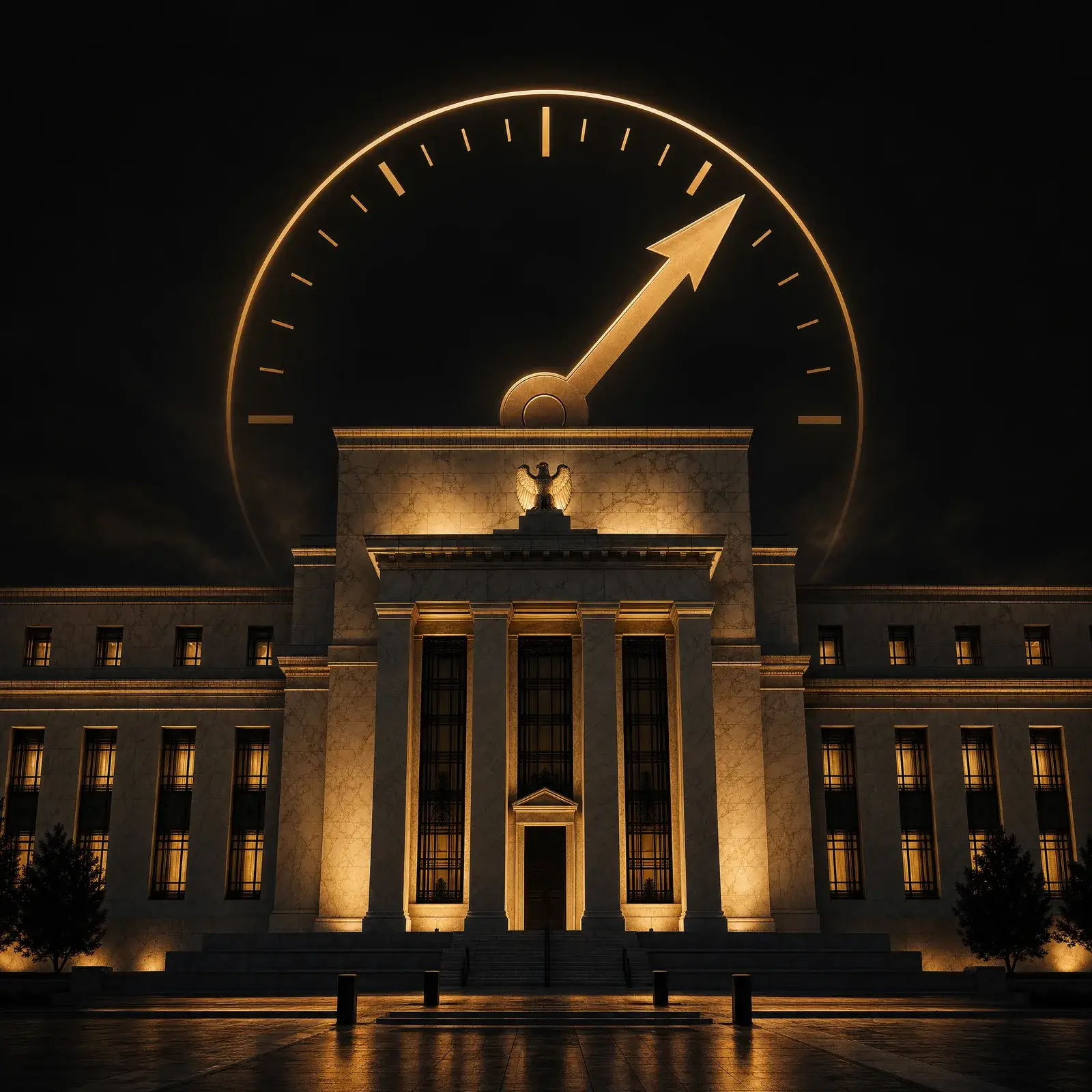
What actually happened at the June 2026 Fed meeting?
The Fed left its target rate unchanged at 3.50% to 3.75% in a unanimous 12 to 0 vote. That part was expected. The surprise was in the projections that came with it.
Nine of 18 officials now see rates moving higher by the end of 2026. In the March projections, essentially none did. Warsh himself declined to submit a forecast, which is why the count is out of 18 instead of 19.
You can read the decision in the Fed’s own words in its June FOMC statement. The reaction was sharp: the S&P 500 fell roughly 1.2% on the day, its worst first “Fed day” for a new chair since 1994, according to Bespoke Investment Group cited by CNBC.
The hawkish tell
Warsh also dropped detailed forward guidance and launched five internal review task forces, covering inflation, jobs and AI, data methods, communications, and the balance sheet. Markets read all of it as a man more worried about prices than about growth. That is the opposite of the rate-cutter he was sold as.
Why would the Fed hike instead of cut?
One word: inflation. The latest CPI reading came in at 4.2% year over year, more than double the Fed’s 2% target.
Energy prices climbed after conflict in the Middle East, and the Fed’s own June projections lifted expected 2026 inflation to roughly 3.6%. When prices run that hot, cutting rates pours fuel on the fire.
The job market gave the Fed cover to stay tough. Unemployment held at 4.3% in May and has barely moved for months. A strong labor market means the Fed does not need to rush to cut, so it can keep its focus on inflation.
The cost of money is the one input that touches every financial decision you make.
Break The Ordinary
What does a Fed rate hike in 2026 mean for your money?
Higher rates are not abstract. They show up in your monthly payments, your savings yield, and the price of your investments.
The direction matters more than the exact number. When markets price in hikes instead of cuts, borrowing gets more expensive and cash earns more. Here is the practical split.
What rising rates HELP
- Savers: High-yield savings and CDs keep paying more for longer.
- New bond buyers: Fresh Treasuries and bonds lock in higher yields.
- Patient cash: Sitting in cash costs less when cash actually pays.
What rising rates HURT
- Variable debt: Credit cards and HELOCs get more expensive fast.
- Homebuyers: Mortgage rates tend to stay high or climb.
- Growth stocks: High-multiple names usually take the hardest hit.
What should you actually do right now?
You do not need to predict the Fed. You need to be positioned so either outcome is fine.
Start with the most expensive debt you carry. If you have a credit card or any variable-rate balance, attacking it now beats almost any other move, because rising rates make that debt heavier every month. A clear sequence helps, and our debt order-of-operations guide lays one out.
Next, put idle cash to work at today’s yields. Lock in high-yield savings, and if you want safe income, this is a real window for Treasury bonds. For longer-term money, the answer does not change with the Fed: keep buying a simple, diversified portfolio on schedule, as covered in our guide to building your first portfolio.
The one mistake to avoid
Do not pause your long-term investing to “wait and see.” Trying to time the Fed is how people miss the recovery and lock in the loss. Keep the plan, fix the debt, and let the rate cycle pass underneath you.
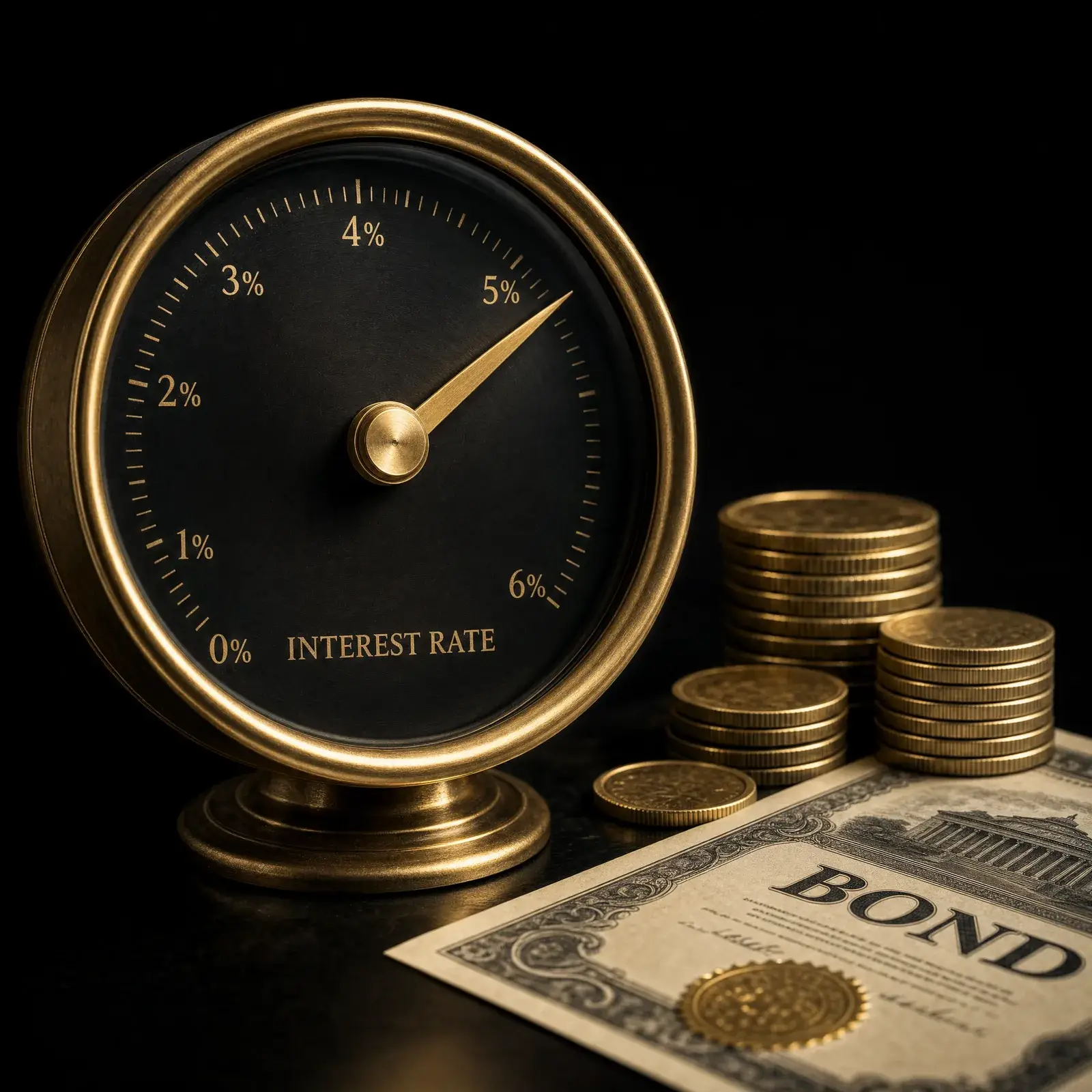
Frequently asked questions
Did the Fed raise rates in June 2026?
No. The Fed held its rate steady at 3.50% to 3.75% in a unanimous vote. It signaled that a hike, not a cut, may come later in 2026.
How likely is a Fed rate hike in 2026 now?
Markets shifted sharply hawkish after the meeting. CME FedWatch showed roughly a 77% chance of at least one hike by December 2026, up from about 24% a month earlier, per Kiplinger.
Why is the Fed considering hikes when it was expected to cut?
Inflation reaccelerated, with CPI at 4.2% year over year. Energy prices rose after Middle East conflict, and a steady 4.3% unemployment rate gave the Fed room to fight prices instead of cutting.
How does a Fed rate hike affect my mortgage and debt?
Higher rates push up variable-rate debt like credit cards and HELOCs quickly. Mortgage rates tend to stay elevated, which makes buying or refinancing more expensive.
Should I stop investing because of a possible Fed rate hike in 2026?
No. Pausing long-term investing to time the Fed usually backfires. Keep buying on schedule and focus your energy on clearing high-rate debt.
How I know this
I came to this country with one carry-on and started from a minimum-wage paycheck, so I learned early that the cost of money is not a headline, it is your life. I never carried credit card debt, even living paycheck to paycheck, because I watched what high rates do to people who do. When the Fed talks about hikes, I do not hear policy, I hear the monthly payment getting heavier, and I act on the debt first.
The bottom line
Independence is not built by predicting the Fed. It is built by being positioned so the Fed’s next move cannot derail you. Clear the expensive debt, earn real yield on your cash, and keep investing through the noise.
For the backstory on why this chair was always going to surprise, read our piece on Kevin Warsh becoming Fed Chair.