Published: June 5, 2026 · Last updated: June 5, 2026
Deel Stablecoin Wallet: Should You Get Paid in DLUSD?
On June 3, 2026, Deel, the payroll platform that handles contractors for more than 40,000 businesses across 150 countries, launched a stablecoin wallet. It lets contractors hold their earnings as DLUSD, a dollar-pegged digital balance, earn optional rewards on it, and spend it worldwide without leaving the app. It went live first in Argentina, with the rest of Latin America, then Asia, the Middle East, and Africa to follow.
Strip away the jargon and this is a milestone worth noticing: a mainstream payroll company is now offering to pay you in a digital dollar. We have watched the same idea arrive through banks and remittance giants, from SoFi’s bank-issued stablecoin to MoneyGram’s MGUSD. Deel is the version aimed squarely at how you earn.
This article is for informational purposes only and does not constitute financial advice. Always consult a qualified financial advisor before making financial decisions.
What This Article Covers
- What Deel actually launched
- What a stablecoin wallet really is
- The real upside for contractors
- The real risks most headlines skip
- Spending money versus storing money
- How to decide if it is for you
- Frequently asked questions
Deel launched a stablecoin wallet on June 3, 2026, letting contractors hold earnings as DLUSD, a dollar-pegged balance built on Stripe’s stablecoin stack, with optional opt-in yield and a spend card coming. It is live first in Argentina, then rolling out globally. The upside is dollar stability and faster cross-border pay without a US bank account. The risks are peg, custody, and tax. Treat the app wallet like a checking account, not a vault.
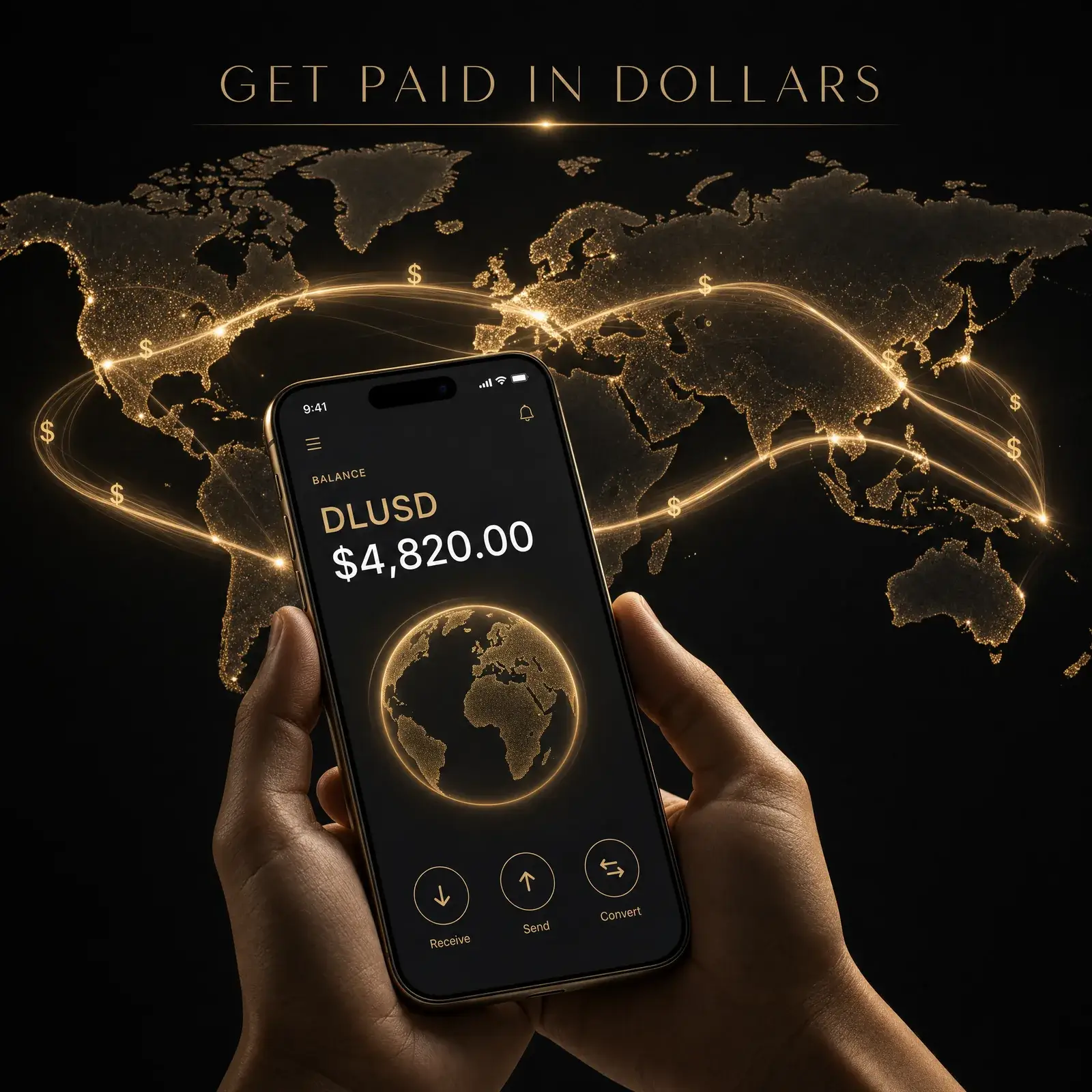
The short version: Deel built the wallet on Stripe’s stablecoin infrastructure: Bridge for issuing the token, Privy for a self-custodial wallet layer, and a payments-focused blockchain called Tempo for settlement (The Defiant). The harder question is whether holding your income as a digital dollar actually serves you, or just adds a new layer of risk to your paycheck.
Quick Takeaways
- Deel launched a stablecoin wallet on June 3, 2026.
- Contractors can hold earnings as DLUSD, pegged 1:1 to the US dollar.
- It is built on Stripe’s stablecoin stack (Bridge, Privy, Tempo).
- Optional, opt-in rewards are offered with no lock-up period.
- It launched first in Argentina, then rolls out globally.
- The wallet is a payments tool, not a long-term store of value.
What Did Deel Actually Launch?
Deel added a wallet inside its app that holds DLUSD, a balance designed to track the US dollar one-to-one. Contractors can keep their pay in dollars, move it back to their regular Deel balance, and withdraw at any time, according to Fintech Singapore. A Deel Card for spending the balance worldwide was slated to follow later in the month.
Why Argentina first
The launch region is the tell. In 2025, 85% of Deel’s Argentine contractors said they would rather be paid in dollars than in pesos, per the same reporting. In an economy with a history of inflation and currency controls, a stable digital dollar you can hold without a US bank account is not a novelty. It is a lifeline. That is the genuine problem Deel is solving, and it is worth taking seriously before we talk about the risks.
What a Stablecoin Wallet Really Is
A stablecoin is a digital asset designed to hold a steady value, usually pegged one-to-one to a currency like the US dollar (Chainalysis). DLUSD is meant to be fiat-backed, meaning real dollar-equivalent assets sit behind it, rather than an algorithm trying to hold the peg with code.
The wallet is the place you hold that token. Deel’s layer is described as self-custodial, powered by Privy, which in plain terms means you hold the keys rather than handing full control to Deel. That is a meaningful design choice, and a better one than a purely custodial setup. But self-custodial inside a convenient app is still a hot wallet: connected, online, and built for spending. That is not the same thing as cold storage you control offline.
A digital dollar is still only as good as the dollars behind it and the keys in front of it. Convenience is the feature. It is also the risk.
Break The Ordinary
The Real Upside for Contractors
For someone earning across borders, the appeal is real. You skip the usual juggling of multiple apps, exchange accounts, and conversion fees just to turn local currency into something stable. You get dollar exposure without needing a US bank, which matters enormously if you live somewhere with a weak or volatile currency.
Settlement is faster than the old correspondent-banking rails, and Deel layers in optional, opt-in rewards on idle balances through a vault, with no lock-up, per Fintech Singapore. For a freelancer or contractor building income the way we describe in our piece on the math of leaving a job for a side hustle, getting paid faster and holding value in dollars is a concrete advantage, not a gimmick.
The Real Risks Most Headlines Skip
Start with peg risk. “Stable” is a design goal, not a guarantee. In May 2022, the algorithmic stablecoin TerraUSD lost its dollar peg and collapsed toward ten cents within days, erasing roughly $60 billion across it and its sister token (Chainalysis). DLUSD uses a different, asset-backed model, which is far sturdier. But any peg can come under stress, and the strength of a fiat-backed coin depends entirely on the quality and transparency of the reserves behind it.
Then there is custody and redemption. Even with a self-custodial wallet, your dollars are redeemed “within Deel,” so you are still leaning on the issuer’s solvency and systems. And there is tax: the IRS treats crypto received as payment as ordinary income at its dollar value on the day you receive it, and digital-asset income must be reported (IRS). Getting paid in DLUSD does not make the taxman disappear. It just changes the paperwork.
Spending Money Versus Storing Money
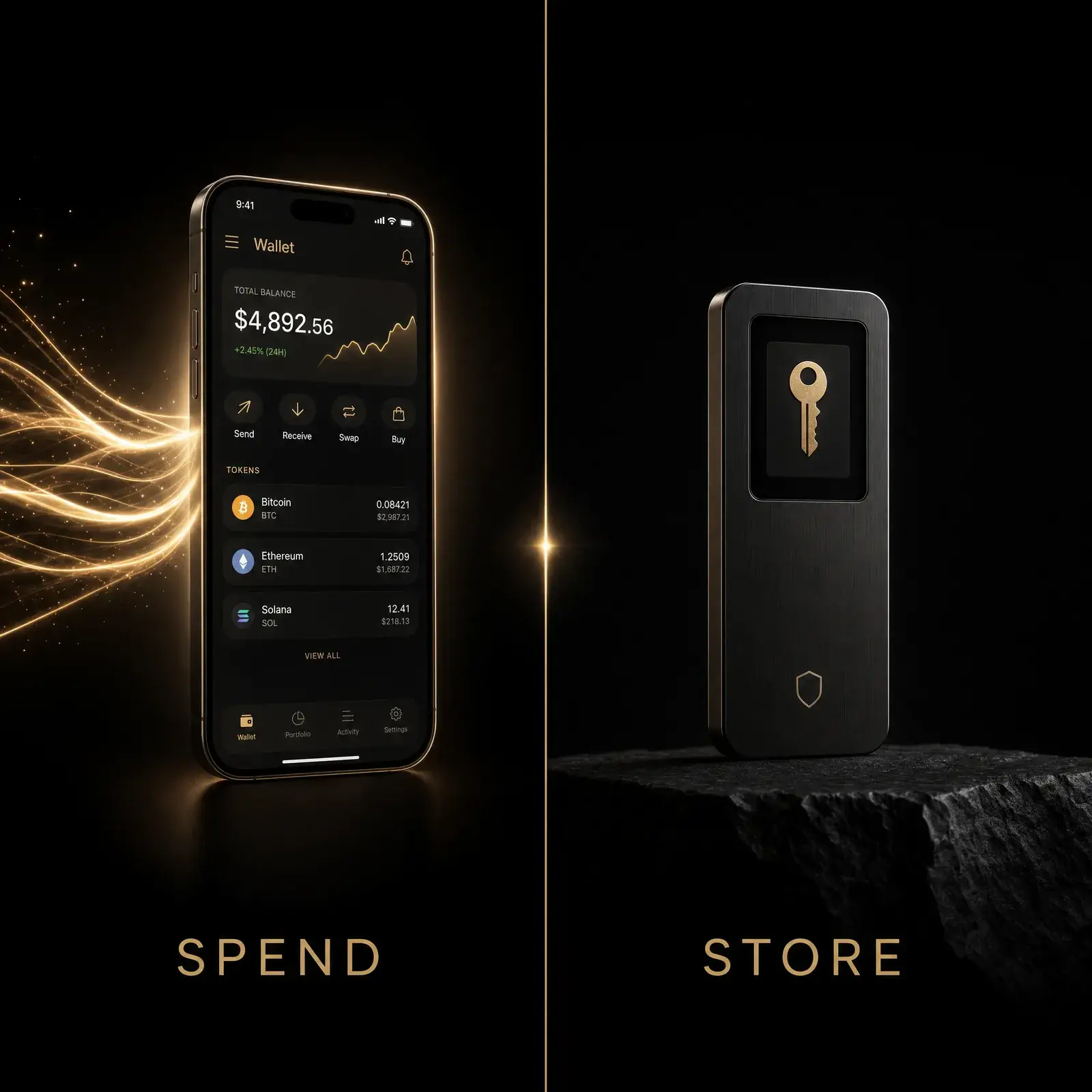
The cleanest way to think about this is to separate spending money from storing money. A platform wallet like Deel’s is excellent for the first job: receiving pay, holding a working balance, spending it. It is not built to be where your long-term savings live. This is the same principle we cover in our financial literacy basics guide, applied to digital dollars.
Disclosure: the links below are affiliate links. If you buy through them, Break The Ordinary may earn a commission at no extra cost to you. We only recommend products we would use ourselves.
If you start holding a meaningful amount of crypto, stablecoins or otherwise, the responsible next step is true self-custody in cold storage, offline, where no app or issuer sits between you and your keys. A hardware wallet like the Trezor Safe 5 is the tool for that job, with the entry-level Trezor Safe 3 if you want to start cheaper. Keep your spending balance in the app and move your serious holdings somewhere only you control. It is the same logic we walked through with eToro’s move into self-custody.
Platform Wallet Versus Self-Custody
Deel DLUSD Wallet
- Best for: Getting paid and spending
- Access: Instant, inside the app you already use
- Dependency: Issuer reserves and redemption
- Use it like: A checking account
Hardware Cold Storage
- Best for: Holding long-term value
- Access: Deliberate, offline, in your control
- Dependency: Only your own keys and backup
- Use it like: A vault
How to Decide If It Is for You
If you earn across borders, live with a volatile local currency, or routinely lose money to conversion fees, a dollar-pegged wallet can be a genuine upgrade to how you get paid. Start small, treat it as a working balance, and read the reserve and redemption terms before you trust it with real size.
If you already bank comfortably in dollars and only want a place to grow wealth, this is not that tool. The discipline that builds independence is boring and proven: spend deliberately, save consistently, and put long-term money to work the way we describe in our guide to building an investment portfolio. A new wallet does not change those fundamentals.
Frequently Asked Questions
What is the Deel stablecoin wallet?
It is a wallet inside the Deel app, launched June 3, 2026, that lets contractors hold their earnings as DLUSD, a dollar-pegged stablecoin, earn optional rewards, and spend the balance globally, with a Deel Card slated to follow.
What is DLUSD?
DLUSD is Deel’s US-dollar-pegged stablecoin, designed to track the dollar one-to-one and built on Stripe’s stablecoin stack (Bridge, Privy, and the Tempo blockchain). It aims to be asset-backed rather than algorithmic.
Is getting paid in a stablecoin safe?
It carries different risks than a bank deposit, mainly peg risk, reserve quality, and custody. A reputable asset-backed coin is far sturdier than an algorithmic one, but no stablecoin is guaranteed. Treat it as a spending balance, not a savings vault.
Do I owe taxes if I am paid in DLUSD?
In the US, yes. The IRS treats crypto received as payment as ordinary income at its dollar value on the day received, and digital-asset income must be reported. Keep records and speak with a tax professional.
Is the Deel wallet self-custodial?
Deel describes its wallet layer as self-custodial, powered by Privy, meaning you hold the keys. Redemption still happens within Deel, so you continue to rely on the issuer’s systems and reserves.
Where is the Deel stablecoin wallet available?
It launched first in Argentina, with the rest of Latin America, then Asia-Pacific, the Middle East, and Africa expected to follow.
Should I move my stablecoins to a hardware wallet?
For long-term holdings, yes. A platform wallet is built for spending. Cold storage on a hardware device keeps your keys offline and fully in your control, which is the right home for serious, long-term crypto.
How I Know This
I came to this country as an immigrant and learned early how much friction sits between earning money and actually keeping its value. Conversion fees, slow transfers, currencies that lose ground while you wait. None of it is abstract when it is your paycheck. So I understand exactly why a stable digital dollar lands the way it does for people earning in weaker currencies.
But I also learned that convenience and control are not the same thing. The tools that made my money easy to spend were never the ones that made me independent. That came from owning what I held and refusing to let a platform be the only thing standing between me and my savings. I read this launch through both lenses at once.
The Bottom Line
The Deel stablecoin wallet is a real step in stablecoins moving from speculation into everyday income. For contractors earning across borders, holding pay as DLUSD can cut friction and add dollar stability that a local bank cannot. That is a genuine win, and it should be named as one.
Just keep the jobs separate. Use the app to get paid and to spend, read the fine print on reserves and redemption, plan for the tax, and move long-term value into storage you control. That is the clarity Break The Ordinary exists to give you: adopt the useful tool, without handing away the control that independence is built on.
Randal is the founder of Break The Ordinary, where he documents what actually works for building independence. As an immigrant who built from scratch, he reads a launch like Deel’s through the lens of someone who learned the difference between convenient money and money you control. He writes from real experience, not hype.