Published: June 3, 2026 · Last updated: June 3, 2026
MoneyGram MGUSD Stablecoin: A Self-Custodial Dollar for 60 Million Users
On June 2, 2026, MoneyGram launched the MoneyGram MGUSD stablecoin, a U.S. dollar-backed token on the Stellar blockchain. It puts a self-custodial dollar wallet directly inside an app that already reaches more than 60 million people. A household remittance brand just handed mainstream users a crypto-native dollar.
This is the moment digital dollars stop being a crypto-insider story. It sits in the same wave as SoFi’s USD stablecoin and the stablecoin market crossing $322B. If the basics are still new to you, start with our financial literacy basics guide.
This article is for informational purposes only and does not constitute financial advice. Always consult a qualified financial advisor before making financial decisions.
What This Article Covers
- What the MoneyGram MGUSD stablecoin actually is
- What MoneyGram launched and who built it
- Why a remittance giant doing this matters
- What self-custodial really means for you
- Mistakes to avoid with any stablecoin
- Stablecoin balance versus a bank balance
- Frequently asked questions
The MoneyGram MGUSD stablecoin is a U.S. dollar-backed digital token on the Stellar blockchain that holds its value at roughly one dollar. It matters because MoneyGram is embedding it in an app used by tens of millions of people, bringing self-custodial dollars to a mainstream audience. It is built for anyone who wants to hold or move dollars digitally, especially across borders, rather than for speculation.
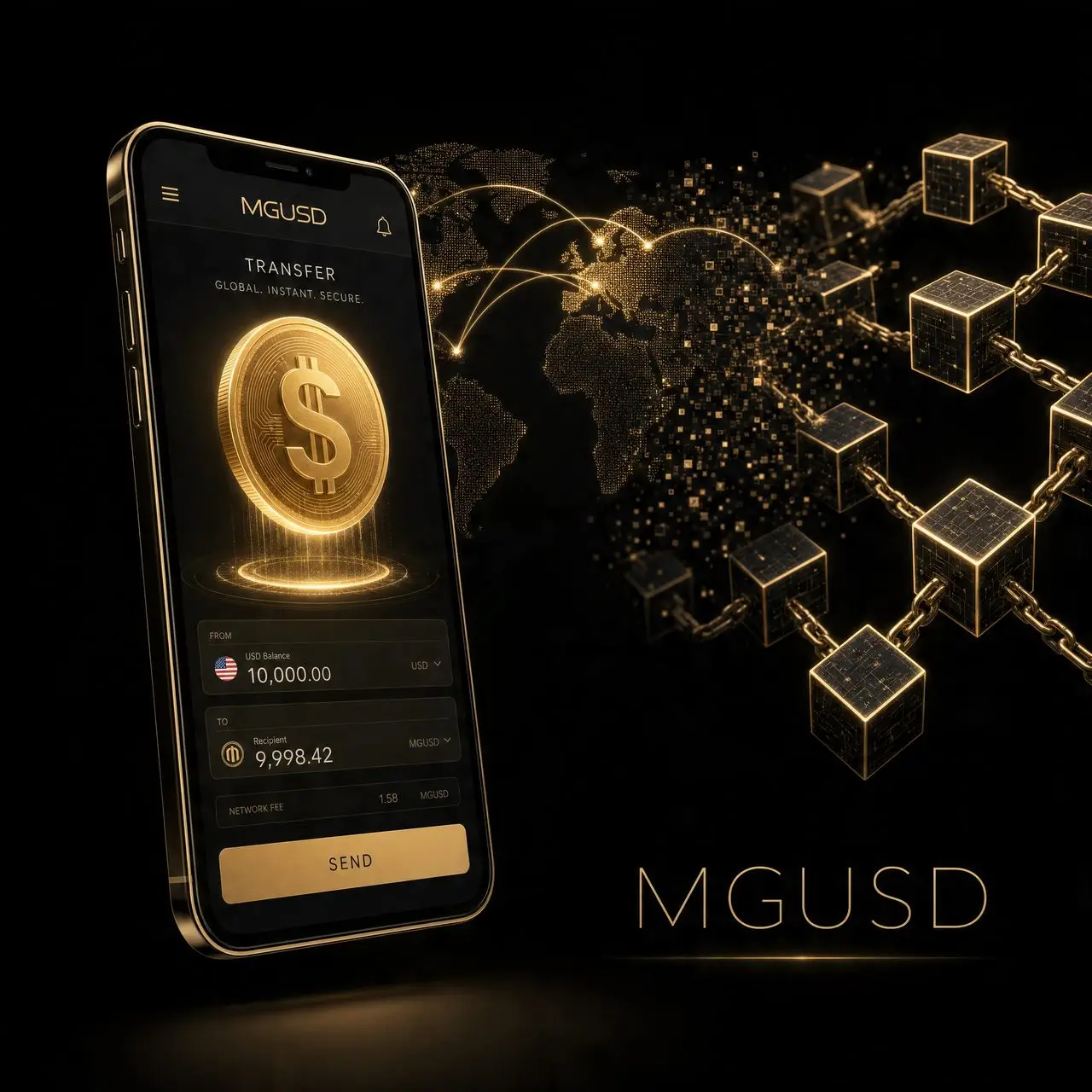
The short answer: the MoneyGram MGUSD stablecoin is a dollar-pegged token issued on Stellar, accessible through the MoneyGram app and held in a self-custodial wallet you control. It launched first for U.S. users on June 2, 2026, with a global rollout planned. The real story is distribution, since it reaches a network most crypto products never touch.
Quick Takeaways
- MoneyGram launched MGUSD on Stellar on June 2, 2026.
- It is a U.S. dollar-backed stablecoin, pegged near $1.
- It lives in the MoneyGram app as a self-custodial wallet.
- The network reaches 60M+ users and ~500,000 locations.
- Stripe-owned Bridge is the regulated issuer behind it.
- Self-custody means more control and more responsibility.
What Is the MoneyGram MGUSD Stablecoin?
The MoneyGram MGUSD stablecoin is a digital token designed to always equal one U.S. dollar. Each token is backed by dollar reserves, so it does not swing in price the way Bitcoin does. Think of it as a dollar IOU that lives on a blockchain instead of in a bank database.
Stablecoin, not an investment
A stablecoin holds its value on purpose, which is the whole point. It is built for moving and holding dollars, not for growth. MGUSD pays no yield by default and carries no FDIC insurance, so it is a payment tool rather than a savings product.
MoneyGram built MGUSD on the Stellar network, continuing a partnership with the Stellar Development Foundation that already powered cash-in and cash-out at its locations. The token now extends that work into a balance customers can hold and send themselves.
What Did MoneyGram Launch, and Who Built It?
On June 2, 2026, MoneyGram announced MGUSD and made it available first to U.S. users, with global expansion planned across its network. According to CoinDesk, the token is embedded in the MoneyGram app and reaches a base of more than 60 million customers and nearly 500,000 retail locations worldwide.
The infrastructure behind MGUSD
MoneyGram did not build the plumbing alone. MoneyGram’s announcement and CoinDesk’s reporting name Bridge, the stablecoin platform acquired by Stripe, as the regulated issuer. The firm M0 built the smart contracts that mint and redeem the token, and Fireblocks provides the wallet infrastructure.
That lineup matters because it signals this is regulated, institutional-grade infrastructure rather than a side experiment. A payments company, a Stripe-owned issuer, and established crypto infrastructure firms are now pointed at everyday money movement.
The headline is not the token. It is that a self-custodial dollar just landed in an app 60 million people already use.
Break The Ordinary
Why Does a Remittance Giant Doing This Matter?
Distribution is the reason this is bigger than most stablecoin launches. Most crypto products struggle to reach normal users, while MoneyGram already serves tens of millions of people who send money across borders. Putting MGUSD in front of that audience could normalize digital dollars faster than any crypto-native app.
The cross-border angle
Remittances are MoneyGram’s core business, and they are often slow and expensive. A dollar-pegged token that settles on a blockchain can move in minutes for low fees, which is exactly where stablecoins are genuinely useful. This is the same practical thread we traced when AI agents started paying in USDC.
What Does Self-Custodial Really Mean for You?
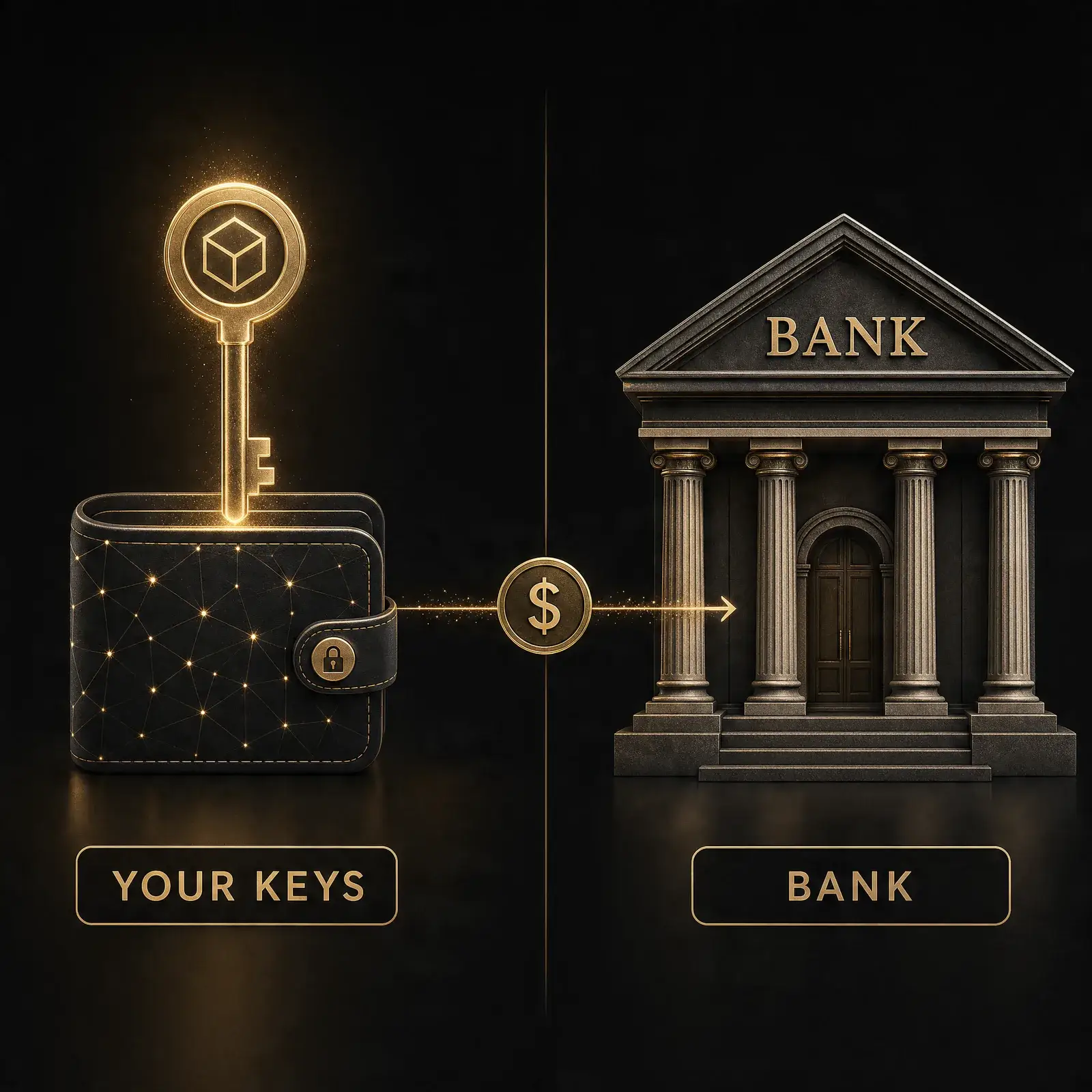
Self-custodial is the most important word in this launch. It means you hold the keys to your MGUSD, not MoneyGram and not a bank. That gives you direct control, and it also hands you the responsibility that comes with it.
More control, more responsibility
With a custodial account, the company can freeze, reverse, or recover your balance. With a self-custodial wallet, the funds answer to whoever holds the keys, so losing your recovery phrase can mean losing the money. We covered these trade-offs plainly in our piece on self-custody with eToro and Zengo.
Disclosure: the links below are affiliate links. If you buy through them, Break The Ordinary may earn a commission at no extra cost to you. We only recommend products we would use ourselves.
If you ever hold meaningful crypto in self-custody, protecting your keys is the entire game. A hardware wallet keeps those keys offline, away from phishing and malware. The Trezor Safe 5 is a strong flagship option, and the Trezor Safe 3 is a solid entry-level pick if you are just starting.
Mistakes to Avoid With Any Stablecoin
The first mistake is treating a stablecoin like a high-yield savings account. MGUSD is a dollar, not an investment, and it is not FDIC insured. Holding it is holding cash in digital form, with issuer and regulatory risk attached.
The second mistake is ignoring key security once you go self-custodial. The third is assuming every stablecoin is equally safe, when backing and redemption terms vary widely. Always confirm who issues a token and how it stays pegged to the dollar.
Stablecoin Balance Versus a Bank Balance
MGUSD Self-Custodial Wallet
- Control: You hold the keys
- Speed: Near-instant blockchain transfers
- Insurance: No FDIC coverage
- Recovery: Your responsibility alone
Traditional Bank Balance
- Control: Bank holds and manages funds
- Speed: Slower, especially across borders
- Insurance: FDIC coverage up to limits
- Recovery: Bank can help reverse or restore
Frequently Asked Questions
What is the MoneyGram MGUSD stablecoin in simple terms?
It is a digital U.S. dollar built on the Stellar blockchain and offered inside the MoneyGram app. Each token is backed by dollar reserves and is designed to always equal about one dollar.
When did MoneyGram launch MGUSD?
MoneyGram launched MGUSD on June 2, 2026. It is available first to U.S. users, with a global rollout planned across its network.
Is MGUSD a good investment?
No. A stablecoin is built to hold its value, not to grow, so it is a payment and storage tool rather than an investment. It also pays no yield by default.
What does self-custodial mean here?
It means you hold the keys to your MGUSD rather than the company holding them for you. You get full control of the funds and full responsibility for keeping your keys safe.
Is the MoneyGram MGUSD stablecoin safe?
It is backed by reserves and issued by Stripe-owned Bridge as a regulated issuer, which reduces some risk. It is not FDIC insured, though, so it carries issuer and regulatory risk like any stablecoin.
Who actually built MGUSD?
MoneyGram issued it on Stellar, with Bridge as regulated issuer, M0 building the mint-and-redeem smart contracts, and Fireblocks providing wallet infrastructure. It builds on MoneyGram’s long partnership with the Stellar Development Foundation.
How is MGUSD different from money in my bank?
A bank holds and insures your dollars and can reverse problems for you. MGUSD in a self-custodial wallet gives you direct control and faster transfers, but no FDIC insurance and no safety net if you lose your keys.
Do I need a hardware wallet to use MGUSD?
Not for small amounts inside the app. If you ever hold meaningful crypto in self-custody, a hardware wallet is the standard way to keep your keys offline and protected.
How I Know This
I came to this country as an immigrant, and I learned early what it costs to move money across borders. The fees and the waiting were never abstract to me, because I lived on the wrong side of both.
That is why a launch like this catches my attention. A faster, cheaper dollar in an app people already trust is genuinely useful, but self-custody only helps if you respect the responsibility. Control over your own money is freedom only when you protect it.
The Bottom Line
The MoneyGram MGUSD stablecoin is a real signal that digital dollars are reaching ordinary people through brands they already know. It is useful for moving and holding dollars, especially across borders, and it is not an investment.
That is the clarity Break The Ordinary exists to give you. Independence comes from understanding the tools before you use them, not from chasing every crypto headline. To keep building that foundation, our guide to building an investment portfolio is a grounded next read.
Randal is the founder of Break The Ordinary, where he documents what actually works for building independence. As an immigrant who built from scratch, he reads a launch like MGUSD through the lens of someone who knows the real cost of moving money. He writes from real experience, not theory.